
Reflections on the Life of an Immigrant Marketing Specialist with 15 Years of Experience
 frankydzoro@gmail.com
 TL;DR
Fifteen years of building SEO strategies and marketing campaigns don’t prepare you for the immigrant life when a marketer starts from scratch in a new country. This is a personal look at leaving Russia, three strange years in Indonesia, and a new start in Buenos Aires, along with the accompanying language confusion and job search. There are no tips here – just the honest, uneven process of rebuilding a career abroad.
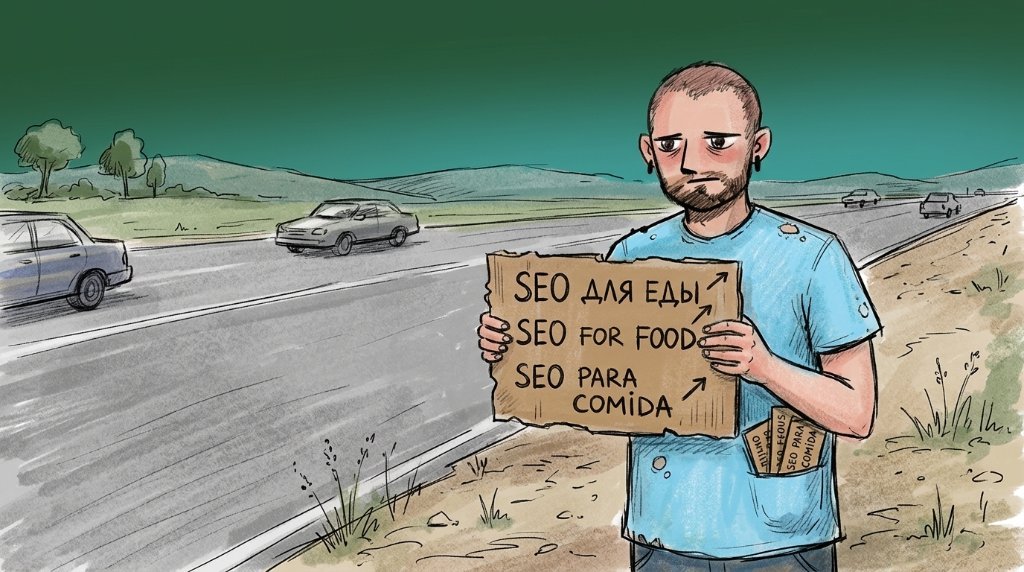
Three weeks ago I was sitting in a rented apartment in Buenos Aires filling out a job application in English. On the table lay a half-finished rental agreement in Spanish, and in the background a voice message from my mom played in Russian. Somewhere between three languages I completely lost track of which version of myself I was presenting.
My name is Petr. We don’t know each other, but I still want to tell you a bit about myself. This text is not a guide or a collection of five tips for expats. It’s an honest, slightly chaotic story of what fifteen years in marketing looks like when you turn into a person filling out a visa application instead of getting a promotion. This is how the life of an immigrant marketer with real experience feels from the inside – fewer strategic presentations, more documents and self-doubt.
There’s a strange side effect nobody warns you about: every recruiter, hiring manager, and new colleague meets you in a complete absence of context. Fifteen years of projects, launches, and inside jokes about specific clients shrink down to a line on a resume and a LinkedIn profile description. Professionally, you become a stranger everywhere at once.
Fifteen Years Before They Called Me an Immigrant
I spent fifteen years in marketing. I started as an ordinary copywriter and content manager back when that role barely existed as a real career path in Russia. Nobody had a clear plan of action. I had to learn on the fly, break processes, fix them, and figure out effectiveness by watching the numbers move.
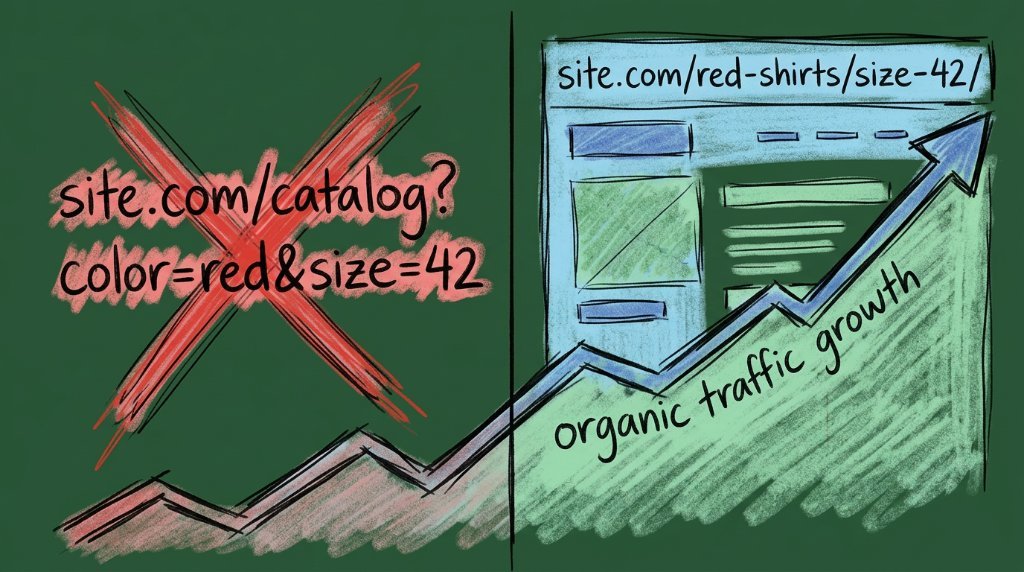
At some point, my team created one of the first serious faceted filters (clickable parameters that narrow down a product catalog by price, brand, size) for an online store. Nothing like that existed on the Russian market at the time. The technical essence is simple: a standard filter generates a URL with parameters at the end like site.com/catalog?color=red&size=42. Search engines mostly ignore such pages, and they still do. My team figured out how to create real static pages – ones that a search engine crawler can scan and index like any regular page on the site. After implementation, the store’s organic traffic grew in a way none of us fully expected.
I’m not mentioning this to brag about a decade-old project. This example explains my current perception of my field. New tools, platforms, and AI dashboards rarely surprise me. I’ve created too many workarounds and invisible technical fixes that later became industry standards to be impressed by a new plugin or a shiny automation feature. That confidence accompanied me through every job change in Russia. But it didn’t automatically survive crossing the border.
Change of Scenery: From Russia to Indonesia
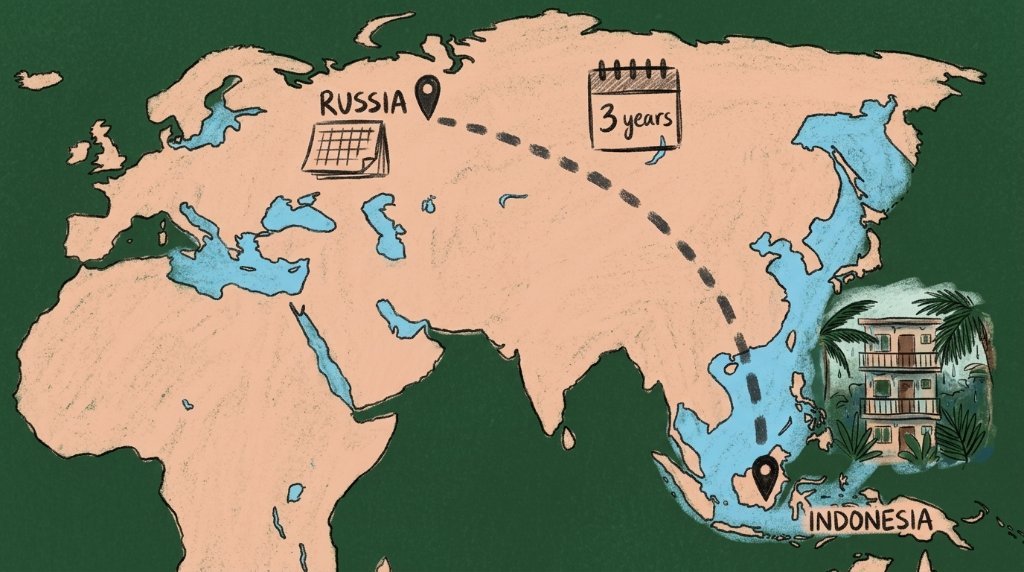
After the war started, I left my established life in Russia and ended up in Indonesia. Not the most obvious choice for a marketer trying to integrate into global remote work. Three years in a country that isn’t too friendly to foreigners without tourist status. And even tourists are usually treated like walking wallets – sources of cash moving between resorts and visa offices.
Those three years were genuinely interesting despite the difficulties. I had to adapt to bureaucracy that makes Russian paperwork seem almost relaxed: visa runs, agents with unfulfillable promises, offices with rules that changed depending on the person behind the counter. I had to get used to a different work culture, climate, and daily rhythm that had nothing in common with the previous fifteen years of my career. Remote work in a humid apartment, a laptop on a stack of books because of an uncomfortable desk, calls across time zones that never matched the clients.
I don’t regret the years I spent there, but I don’t romanticize them either. They’re three years of my life – lived, not edited for a pretty social media gallery.
In August 2025, my partner and I packed our bags again and moved to Buenos Aires.
Buenos Aires and the Real Reason for the Move
Why Argentina? I’ll be honest – for citizenship. The country offers a realistic path to a passport. After years of visa uncertainty in two other countries, this factor became decisive.
It’s not a dry calculation. I’m not looking for a document for the sake of another move. I need the papers, and I want to build a real life here: an apartment with a sense of permanence instead of temporary housing, neighbors who recognize me, a grocery store where I can read labels without a translator. Buenos Aires is where I plan to stay, regardless of whether I have a passport.
The city itself turned out to be nicer than I expected. It’s noisy, chaotic at times, filled with cafes where people sit for hours over a single cup of coffee. It doesn’t feel like a stopover. You can genuinely settle here once the paperwork stops eating up all your weekends.
Right now, I’m a marketer with fifteen years of experience – sitting in a new city, trying to figure out how a career built for one market fits into a local life on a completely different continent.

Immigrant Marketer Life: English, Spanish, and an Overloaded Brain
Entering the international job market after fifteen years of working inside one country quickly teaches you one thing: your English is probably weaker than you thought. I speak and write in it. My level is intermediate – enough for daily tasks, but not enough to confidently compete with native speakers for senior international roles.
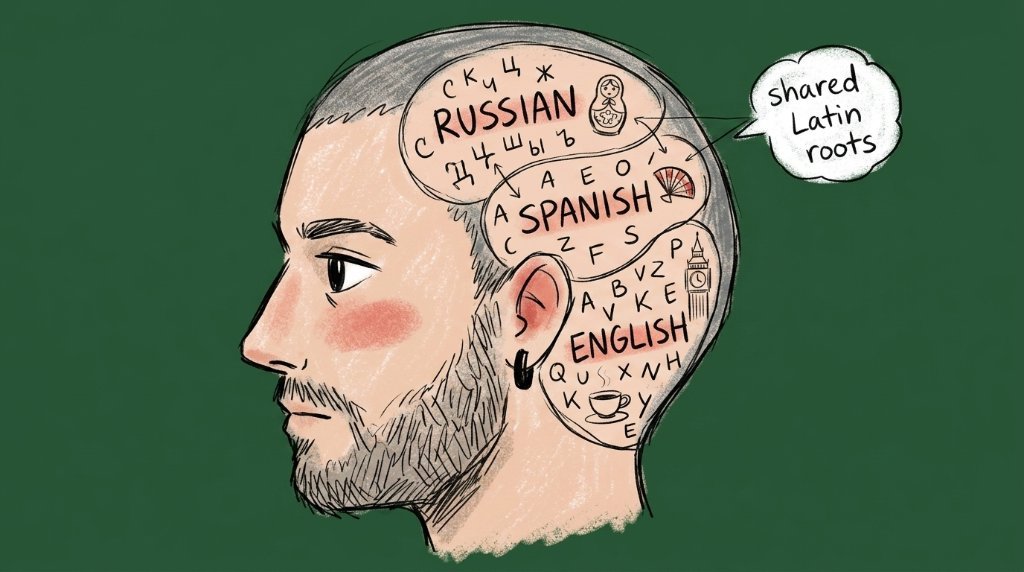
On top of that, there’s Spanish, because I don’t want to live in a country without learning the local language. I’m trying to learn it. The problem is that my brain is already working at its limit with two languages. Trying to fit a third one in the evenings feels like packing the last suitcase into a car that’s already stuffed to the roof.
There’s a small advantage here. Spanish evolved from Vulgar Latin, and Russian over the centuries has absorbed a huge number of words from Latin. The vocabulary overlaps more often than it seems at first. That’s not enough to make Spanish easy, but it’s enough to feel like you’re not starting from absolute zero – more like among distant relatives. Maybe I’ll write a separate post about this later.
The main dilemma isn’t about grammar – it’s about direction. I have two paths ahead, and I alternate between them depending on the week:
- Improve English, aim for remote international positions, compete on a global level from a chair in Buenos Aires, and avoid arguments with landlords in Spanish.
- Focus on Spanish, enter the local market, trade potentially higher income for faster integration and full communication at the corner store.
The final choice hasn’t been made yet. Most days, I’m making progress in both directions.
Sending Out Resumes Again After Ten Years of Being Headhunted
The next fact caught me off guard even more than the language issue. My last four jobs in Russia all came the same way: they contacted me first. Recruiters headhunted me directly, usually with a better offer. I hadn’t updated my resume in years and hadn’t done cold first interviews with people who didn’t know my achievements.
Now I’m back to filling out applications where I have to squeeze fifteen years of marketing work into a text field with a character limit, and then wait for a response from strangers. The transition from being a sought-after specialist to a job seeker requires a certain amount of humility. And this happens with a portfolio of projects that are considered cutting-edge and effective in the professional community.
I’m not complaining. It’s a different rhythm that I have to relearn just as fast as I’m learning to order coffee in Spanish and read a rental agreement without a dictionary in the next tab.
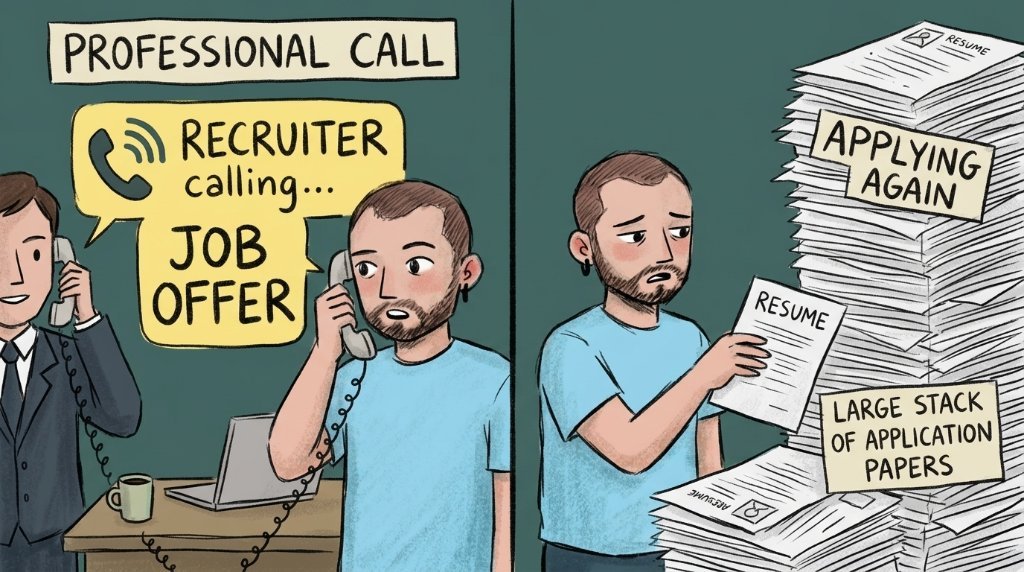
That’s roughly how things stand right now. Fifteen years of marketing and SEO experience behind me, a residency application in progress, a notebook with Spanish notes (which I either open in the evenings or ignore), and a resume that I’ve rewritten more times this year than in the entire previous decade. In the life of a marketer with this background, there are no ready-made instructions – you just have to handle the tasks of the current week in whatever language they come in.
If you have marketing or SEO tasks, I’m open to offers.